
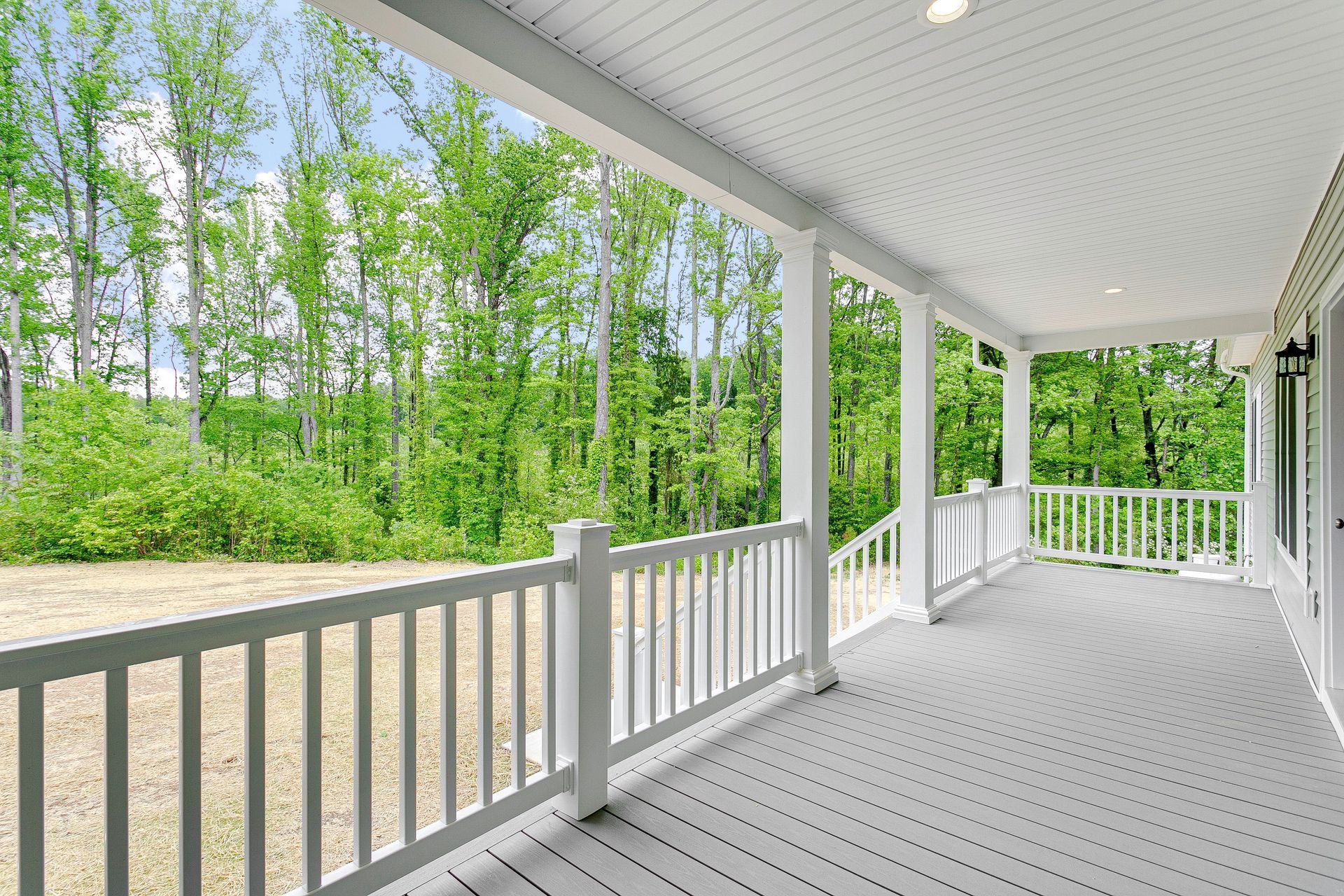
Structural Problems Found Before Deck Failure Occurs
Deck Inspection in Chapel Hill for safety concerns, structural uncertainty, and hidden damage detection
Ledger boards pull away from homes when flashing fails or lag screws corrode, support posts settle when footings weren't poured below frost line, and joists rot from the inside where moisture collects against rim boards. You need a structural assessment when buying a home with an existing deck, when surface boards show unexplained warping, or when railings feel loose despite visible fasteners appearing intact. James Fox Decks conducts deck inspection in Chapel Hill using both visual assessment and strength testing to detect damage that won't show up in a casual walkthrough.
The inspection process involves checking ledger board attachment with fastener pull tests, measuring joist deflection under load, and probing boards near ground contact for soft spots that indicate concealed rot. Triangle climate conditions create specific failure points where humidity penetrates improperly sealed connections, making thorough evaluation necessary even when decks appear sound from above.
Schedule a comprehensive structural assessment to identify safety issues before they require emergency repairs.
How Deck Inspection Addresses Hidden Structural Issues
Complete inspection goes beyond looking at visible surfaces—it includes testing how much railings move when lateral force is applied, measuring whether joists have sagged below acceptable deflection limits, and inspecting the area where the ledger board bolts into your home's rim joist. Each connection point gets documented, and any area showing movement, corrosion, or wood deterioration gets marked for repair or monitoring.
You receive a written report detailing which components meet current safety standards, which need immediate attention, and which should be monitored over the next year. The assessment distinguishes between cosmetic wear that doesn't affect function and structural deficiencies that compromise load capacity, so you know exactly what requires action versus what can wait.
The service draws on twenty-five years of industry experience focused exclusively on decks, which means recognizing failure patterns specific to this region's weather and typical construction methods. Deck-only specialization allows for identifying problems that general contractors might overlook during multi-trade inspections, particularly issues with footing depth or joist hanger installation that only become obvious when you've seen how those components fail over time.
What Property Owners Usually Ask
Questions about inspection scope and findings come up frequently, especially from buyers who need to know a deck's condition before closing.
What does strength testing involve during an inspection?
The inspector applies measured force to railing sections to check for movement, walks across joist spans to feel for excessive bounce, and probes boards in high-risk areas with an awl to detect rot below the surface.
How does Triangle climate create specific inspection priorities?
Local humidity causes fasteners to corrode faster where they penetrate treated lumber, and temperature swings loosen lag screws in ledger boards, making those connection points critical focus areas during every inspection.
What's the difference between a deck inspection and a general home inspection?
A specialized deck inspection includes fastener testing, joist deflection measurement, and footing evaluation that general inspectors typically don't perform because they lack the tools and reference standards for deck-specific structural requirements.
When should a deck be inspected?
Any deck over ten years old should be inspected before selling a home, and new homeowners should have decks assessed within the first year of ownership to establish a baseline for future monitoring.
What happens if the inspection reveals structural problems?
You receive documentation of each issue with repair recommendations prioritized by safety risk, allowing you to address critical items immediately while planning for less urgent corrections over time.
James Fox Decks responds immediately to inspection requests and provides owner-operated service rather than sending subcontractors unfamiliar with local construction patterns. Request an inspection to establish your deck's current condition with documentation you can reference for maintenance planning.