
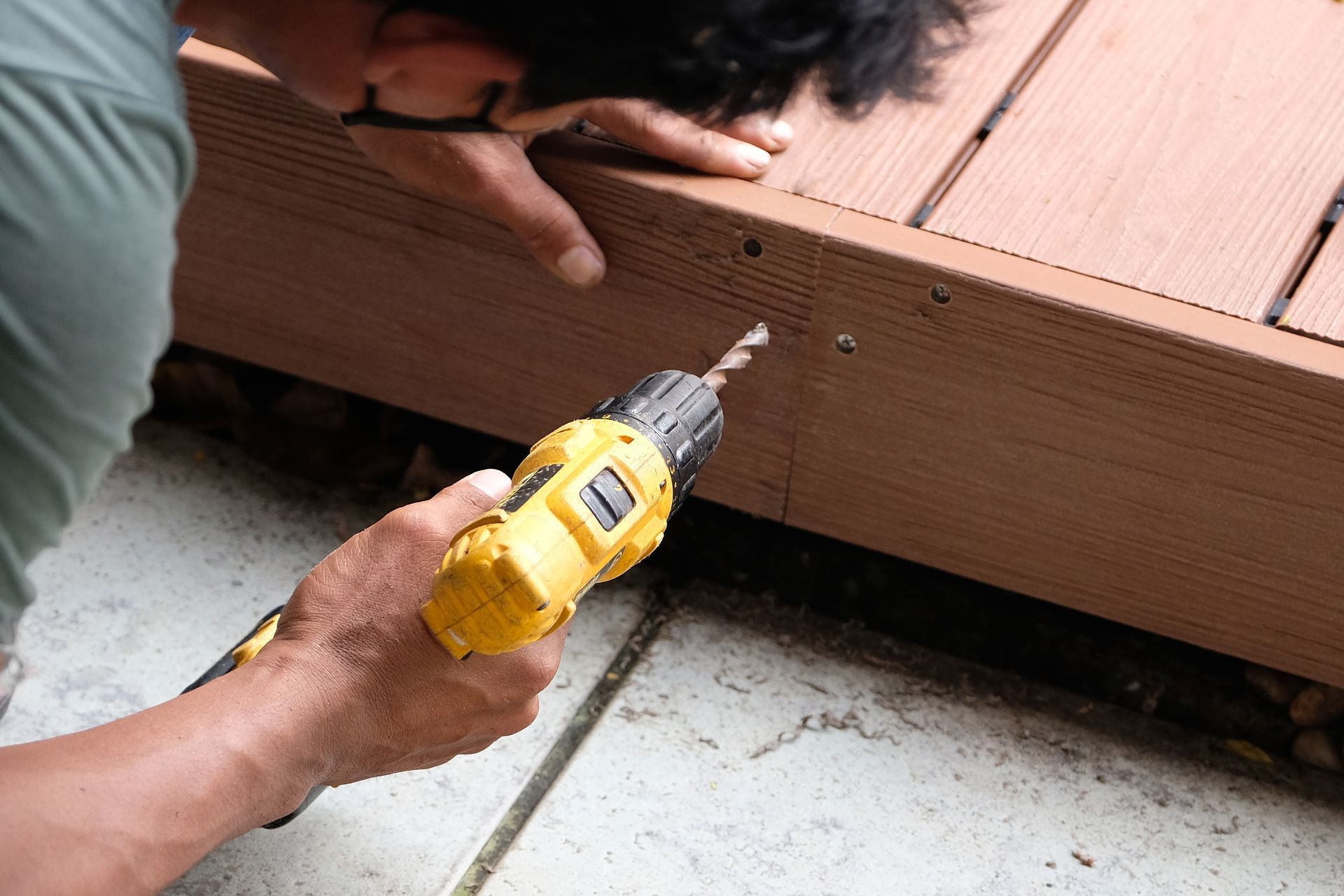
Damaged Boards Fixed Before Further Rot Spreads
Deck Repair in Chapel Hill for structural damage, failing boards, and unsafe railings
Triangle weather cycles create predictable deck damage patterns—boards split from freeze-thaw expansion, joists rot where water collects, and railing posts loosen as footings shift. James Fox Decks addresses deck repair in Chapel Hill by inspecting structural supports before replacing visible surface damage, a step that reveals the root cause rather than covering symptoms. When you call about a few damaged boards, you're scheduled for next-day service to evaluate whether underlying joists need reinforcement or if surface replacement alone will hold.
The repair process starts with joist inspection to confirm the framing underneath damaged boards still has load-bearing strength, then moves to railing post assessment where connections to rim joists often fail first.Decks in this region face humidity swings that accelerate rot in areas where airflow is blocked or flashing was installed incorrectly during original construction.
Schedule a structural evaluation to identify both visible damage and hidden issues before they compromise deck safety.
What Proper Deck Repair Requires
Comprehensive repair goes beyond swapping out cracked boards—it involves removing damaged decking to inspect joist condition, testing railing posts for lateral movement, and checking ledger board attachment where the deck connects to your home. If framing shows soft spots or water staining, those sections get replaced with treated lumber rated for ground contact, even when the damage isn't visible from above.
After structural repairs are complete, you'll notice railings no longer shift when pressure is applied, replaced boards match the existing deck plane without high edges, and the surface feels solid underfoot without flex or bounce. Staining or sealing follows once new wood has dried to the same moisture content as surrounding material, which prevents uneven absorption that creates blotchy finishes.
The work carries an unlimited guarantee because James Fox Decks addresses the conditions causing failure rather than patching over them. This approach means inspecting why rot developed in specific areas—whether from poor drainage, missing flashing, or inadequate ventilation—and correcting those factors so the repair lasts as long as the original construction should have.
Common Questions About This Service
Homeowners in Chapel Hill often ask about the repair process before scheduling work, particularly when damage appears limited but underlying issues may exist.
What gets inspected during a deck repair evaluation?
Every repair starts with joist inspection underneath damaged boards to check for rot or insect damage, followed by railing post assessment where connections to the frame often fail first, and ledger board examination where the deck attaches to your home.
How does Triangle weather affect deck damage patterns?
Humidity swings between seasons cause wood to expand and contract, which loosens fasteners over time, while pooled water from insufficient slope accelerates rot in joists and rim boards before surface damage becomes visible.
What determines whether boards need replacement or if structural work is required?
If the decking feels spongy when walked on or if boards show rot near fastener holes, the underlying joists get tested for strength before any surface work begins.
When should railings be replaced during a repair project?
Railing posts get replaced when lateral movement exceeds a quarter inch at the top or when the connection point to the deck frame shows splitting, both of which indicate the post no longer meets code for guardrail strength.
What happens after damaged sections are removed?
New framing gets installed with galvanized joist hangers and through-bolted ledger connections, followed by decking that matches the existing layout, then a final inspection to confirm the repair meets structural requirements.
James Fox Decks provides next-day response to repair calls because delaying work allows water infiltration to spread from damaged areas into sound framing. Call to schedule an inspection that identifies both the visible damage and the underlying causes requiring correction.